Market Pulse
The strategy of borrowing in low-rate currencies, like the Japanese Yen, to reinvest in higher-yielding assets, like stocks or cryptocurrencies, is called a 'carry trade'. With the Bank of Japan raising interest rates and liquidity constrained by thin summer months, investors no longer have access to abundant cheap capital, leading to an unwinding of global carry trades which is disrupting markets. A selloff in risk assets is also being driven by fears the Federal Reserve may be too slow to support a weakening U.S. economy, pushing investors toward safer bonds.
Volkswagen is considering factory closures in Germany for the first time in 87 years as it grapples with rising costs, shrinking margins, and the transition to electric vehicles (EVs). Its struggles are compounded by competition from cheaper Chinese EVs and a slowdown in consumer spending. The move could exacerbate tensions in Germany’s labor market and political landscape as the country faces industrial shifts and growing populist movements.
Canada is imposing new tariffs on Chinese-made EVs, aluminum, and steel to protect domestic manufacturers and align with Western allies. Starting in October 2024, a 100% tariff will be applied to Chinese EVs and hybrids, alongside a 25% levy on steel and aluminum. Canada’s government emphasized the need to defend its automotive sector from unfair Chinese competition, citing labor and environmental abuses in China. While China criticized the move as protectionist, Canada's aim is to safeguard domestic jobs and industries, particularly in steel, aluminum, and auto manufacturing, which are closely tied to U.S. trade.
The post-pandemic influx of temporary foreign workers in Canada, particularly in food and retail, is making it harder for young Canadians to find jobs. Youth unemployment has surged to 14.2%, with younger immigrants facing even higher rates. Temporary foreign workers in these sectors grew by 211% between 2019 and 2023, as employers filled positions left vacant after the economy reopened. Critics argue this trend suppresses wages and reduces opportunities for local youth, as businesses often prefer experienced foreign workers willing to accept lower pay.
Catastrophe bonds, financial instruments issued by insurers, reinsurers, and governments for disaster coverage, face scrutiny over fairness concerns. A recent controversy arose when Jamaica’s catastrophe bond did not trigger a payout after Hurricane Beryl, despite the island being declared a disaster area. The Caribbean community is calling for a review of these bonds, but analysts warn that lowering payout thresholds would raise costs for issuers. The World Bank, a key facilitator of the bonds, stresses the trade-off between lower thresholds and higher premiums, as calls grow for a more equitable structure balancing investor protection with the needs of disaster-prone regions.
Alimentation Couche-Tard Inc., operator of Circle K and a CrossPoint portfolio investment, has made a preliminary offer to acquire Seven & i Holdings Co., owner of 7-Eleven, in what could be the largest foreign takeover of a Japanese company. The deal, which would create the world’s largest convenience store operator with around 100,000 locations, is under review by Seven & i’s board. The potential acquisition is fueled by a weak Yen and pressure from activist investors seeking greater value from Seven & i’s assets. Challenges include resistance from Seven & i’s management, the need for a strong cash offer, and potential regulatory scrutiny.
All data sourced from FACTSET and SIACharts.
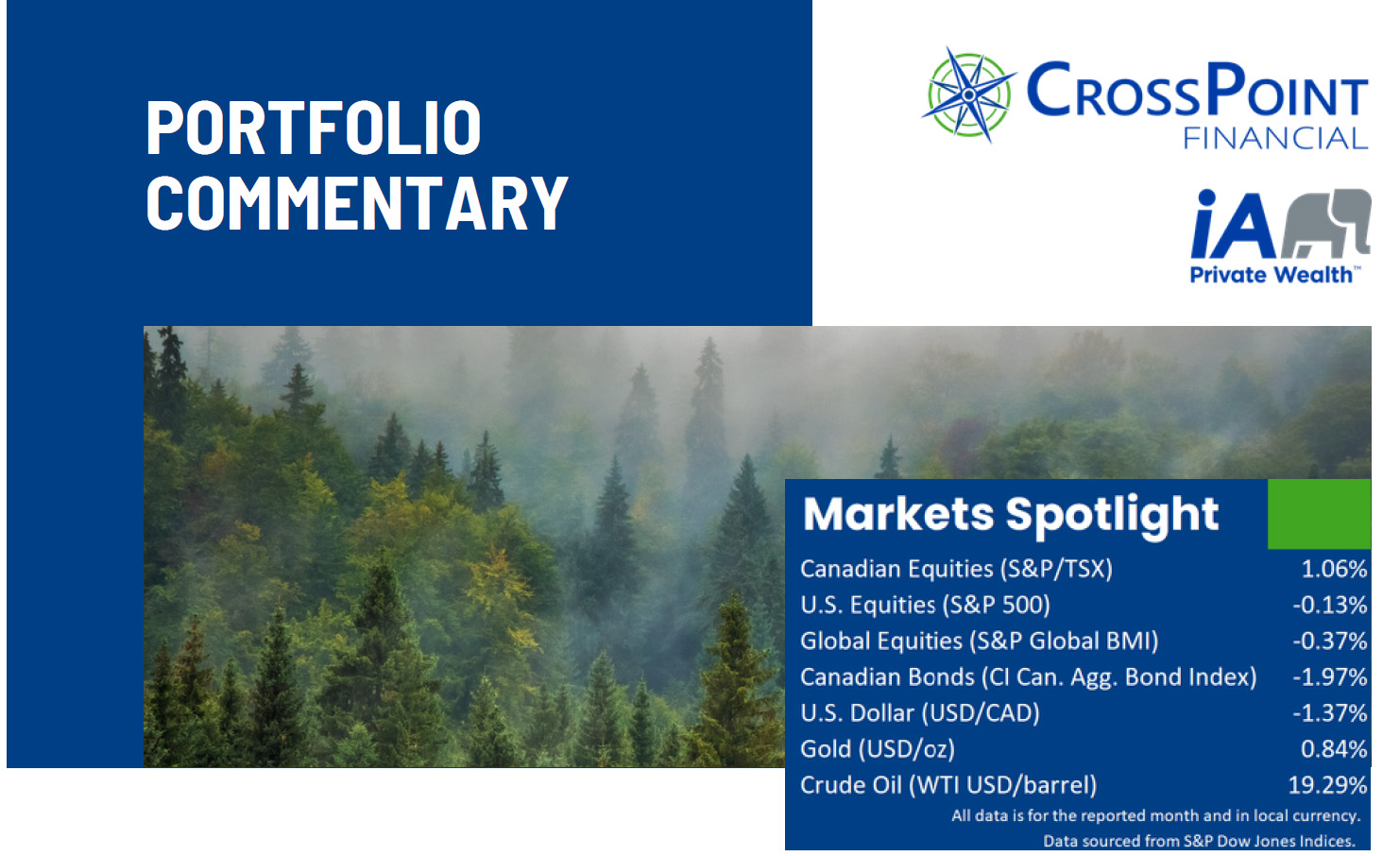
All data is for the reported month and in local currentestcy.
The Ups & Downs
-
TransAlta Corporation (TA) climbed 17.08% in August after beating EPS estimates in their 2nd quarter. Analysts have upgraded their price targets for the energy stock, expecting them to outperform. The company has goals to hit net zero emissions by 2045.
-
Shares of Berkshire Hathaway (BRK.B) continued their steady ascent, gaining another 7.85% in the month. Berkshire has seen strong earnings growth in their underwriting and insurance segment. The company also bought back $2.9B worth of shares in the first half of 2024.
-
Shares of Alimentation Couche-Tard (ATD) dropped 8.42% in August after the company announced a takeover bid to acquire 7-Eleven. Investors have mixed opinions on whether the deal will come to fruition and what it means for ATD shareholders.
-
Nutrien (NTR) struggled in August after reporting further losses in their Brazilian operations. The recent Canadian rail strike is also expected to weigh on revenues in the next quarterly report. Shares were down 7.16% in the month.
All data sourced from FACTSET and SIACharts. All data is for the reported month and in local currency.
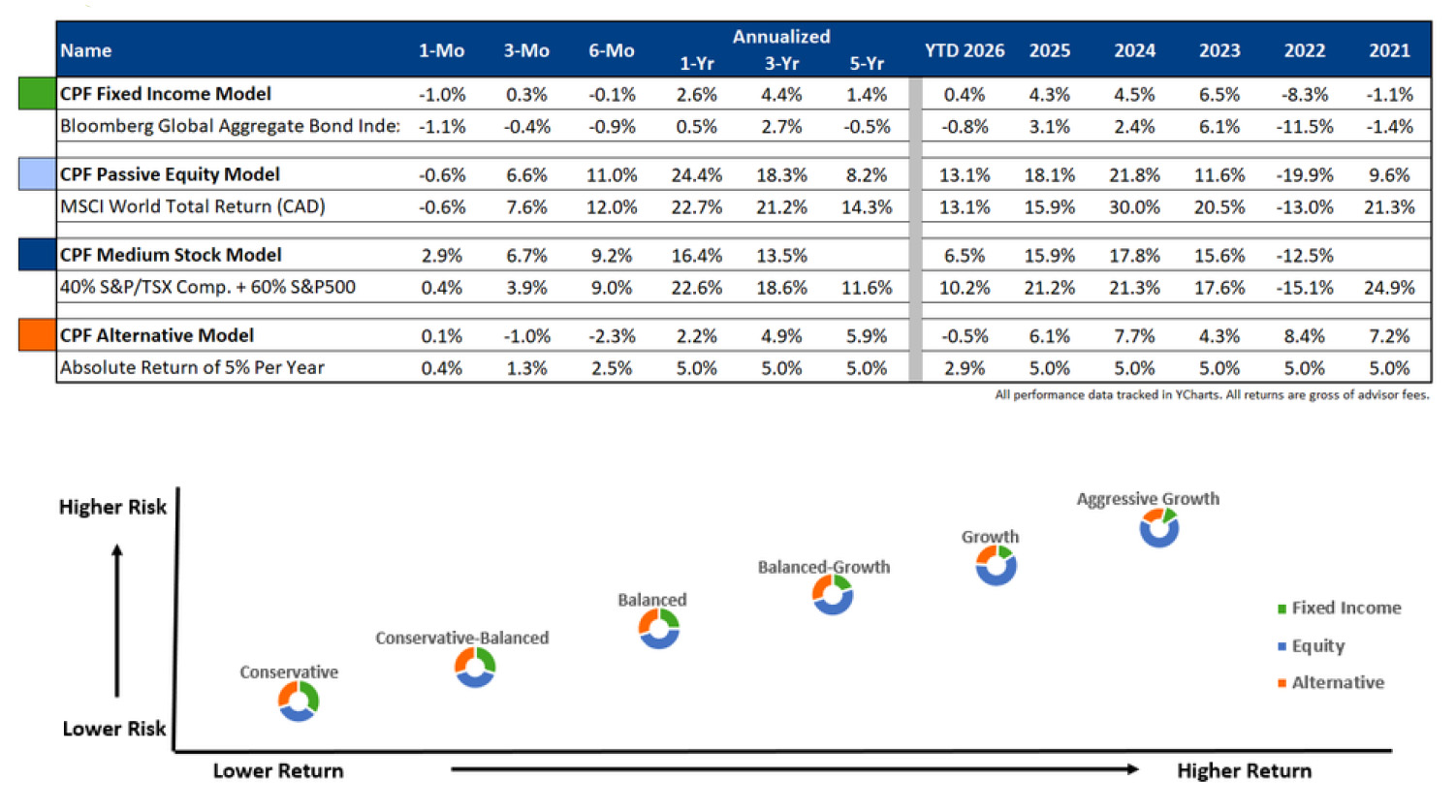
Portfolio Returns
As of August 30th, 2024
Portfolio Highlights
Microsoft (MSFT.TO) surged 24.20% after a blowout fiscal Q4. Revenue of $90.0 billion (up ~18%) and non-GAAP EPS of $4.74 both cleared estimates, driven by the Intelligent Cloud segment as Azure grew 43% and crossed $100 billion in annual revenue for the first time. The result reasserted Microsoft's cloud leadership and eased fears that AI infrastructure costs would erode margins—though it's worth noting the beat was aided by a $3.2 billion gain on its Anthropic stake.
Canadian Natural Resources (CNQ.TO) advanced 19.00%, buoyed by firmer crude prices amid Middle East supply risks and improving sentiment across Canadian energy. The stock drew multiple analyst upgrades, including Zacks lifting it to Strong Buy, while constructive pipeline developments—British Columbia softening its opposition to new pipelines and an Alberta-Ontario proposal for a transcontinental line—added tailwinds. The move reinforced CNQ's standing as a low-cost, capital-disciplined free-cash-flow generator.
TELUS (T.TO) declined 10.80% after a weak Q2 that paired an earnings and revenue miss with a sweeping strategic reset. A C$2.1 billion non-cash impairment at TELUS Digital drove a C$1.8 billion net loss, and the company cut its dividend by 55% while lowering full-year revenue and EBITDA guidance, redirecting capital toward deleveraging. The reset triggered downgrades from Morgan Stanley, CIBC, and Barclays, underscoring the structural and competitive pressures—including Starlink—facing Canadian telecom.
CRH (CRH) fell 8.31% despite a Q2 earnings beat. EPS of $2.21 topped the $2.02 consensus, but full-year 2026 EPS guidance of $5.60–$6.05 landed with a midpoint below the ~$5.95 consensus, and subdued residential construction activity amid high mortgage rates remained a headwind. The pullback reflects investor caution on near-term demand even as infrastructure spending and pricing stay supportive.
All data sourced from FACTSET and Bloomberg L.P.
All data is for the reported month and in local currency.
Macro Watch
In July 2026, the International Monetary Fund released its updated World Economic Outlook, projecting global growth to hold at 3.0% for the year while confirming that global disinflation has essentially stalled. The macroeconomic landscape is becoming increasingly fractured, creating a sharp divide between nations integrated into the booming technology supply chain and those vulnerable to commodity shocks. Policymakers are now navigating an environment where AI-driven demand lifts certain economies, even as prolonged geopolitical conflicts weigh heavily on energy importers.
Energy supply chains remained a volatile focal point throughout the month, significantly altering global inflation trajectories. While a mid-June memorandum of understanding between the U.S. and Iran briefly allowed for the reopening of the Strait of Hormuz, renewed hostilities in July disrupted the gradual recovery of global oil markets. This instability generated a severe supply shock for oil, gas, and fertilizers, ultimately forcing upward revisions in core inflation forecasts and keeping financial markets on high alert.
Despite elevated borrowing costs and global commodity disruptions, the U.S. economy continues to display remarkable resilience compared to its European counterparts. Domestic growth remains steady, heavily supported by massive capital expenditures in artificial intelligence that provide a strong structural floor for business activity. Furthermore, because the U.S. operates as a net energy exporter, its robust consumer sentiment has been largely shielded from the energy price spikes currently suppressing growth in the U.K. and the Eurozone.
All data sourced from FACTSET and SIACharts.
All data is for the reported month and in local currency.
Portfolio Returns
July 2026